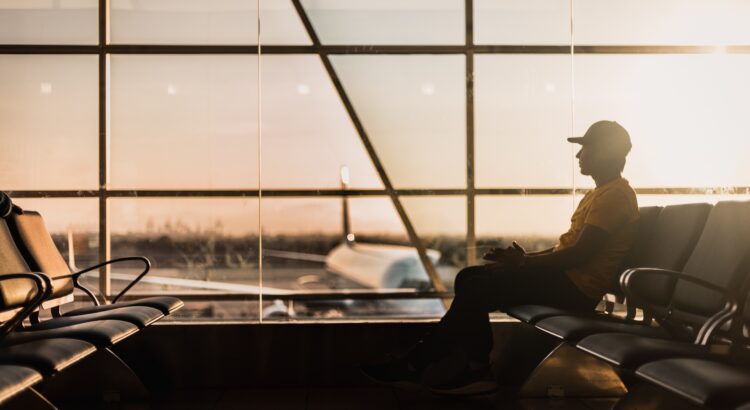
a person waits in an airport lounge

UK Flight Delays: How the right Travel Insurance can help

Picture this: You’re all set for your dream vacation, ready to explore historic landmarks, lounge in the sun, and immerse yourself in a new culture. But then, you find yourself stuck at the airport due to a flight delay. It’s a frustrating situation that can disrupt your travel plans and lead to unexpected expenses. Fortunately, this is where travel insurance comes to the rescue.

Recent news of flight delays in the UK has left many jet-setters concerned about their upcoming journeys. While you can’t control the weather or airline operations, you can protect your travel plans with the right insurance. In this blog, we’ll explore the importance of travel insurance, especially in light of the recent flight delays in the UK, and how it can be your best companion when traveling abroad.

Understanding the Recent Flight Delays

Before diving into the importance of travel insurance, let’s take a closer look at the recent flight delays in the UK. These delays are often caused by a variety of factors, including:

  • Weather Conditions: The UK’s unpredictable weather can disrupt flight schedules. Fog, snow, heavy rain, and strong winds are just a few examples of weather-related challenges that can lead to delays.
  • Air Traffic Control Issues: Technical glitches or strikes within the air traffic control system can cause significant disruptions to flight schedules.
  • Operational Challenges: Airlines sometimes face operational difficulties such as crew shortages, maintenance issues, or aircraft availability problems, which can result in delays.
  • Security Concerns: Security threats or incidents can lead to flight cancellations or delays.

These factors, though beyond your control, can seriously impact your travel plans. So, what can you do to safeguard your journey? The answer lies in purchasing travel insurance.

The Importance of Travel Insurance

One of the primary benefits of travel insurance is its ability to provide financial protection. If your flight is delayed, cancelled, or rescheduled, you may incur additional expenses such as hotel accommodations, meals, and transportation. Travel insurance can cover these costs, ensuring you don’t bear the financial burden. Other benefits include:

  • Trip Cancellation Coverage: In the unfortunate event that you need to cancel your trip due to unforeseen circumstances such as illness, injury, or a family emergency, travel insurance can help reimburse you for the non-refundable expenses you’ve already paid.
  • Emergency Medical Coverage: When traveling abroad, it’s crucial to have coverage for unexpected medical expenses. Travel insurance often includes coverage for medical emergencies, ensuring you receive the necessary care without exorbitant bills.
  • Lost or Delayed Luggage: If your luggage is lost, stolen, or delayed, travel insurance can provide compensation for the essential items you need while waiting for your belongings to be located or replaced.
  • Travel Assistance: Some travel insurance policies come with 24/7 travel assistance services. This can be invaluable if you encounter problems while abroad, such as language barriers or locating medical facilities.

Choosing the Right Travel Insurance

Now that you understand the importance of travel insurance, here are some tips for selecting the right policy:

  • Coverage Needs: Assess your specific travel needs. Are you traveling with valuable items? Do you have pre-existing medical conditions? Tailor your insurance coverage accordingly.
  • Compare Policies: There’s not a one-size-fits-all Travel Insurance cover. It’s worth looking around for a policy that offers the coverage you need at a competitive price.
  • Read the Fine Print: Carefully review the policy terms and conditions to understand what is covered and any limitations or exclusions.
  • Purchase Early: Buy travel insurance as soon as you book your trip. This ensures you’re covered for trip cancellation or interruption from the get-go.

At Rowett Insurance, we can help you get this right, just give us a call on 01726 871144 option 1.

In a world where travel disruptions can happen unexpectedly, travel insurance provides peace of mind and financial protection. The recent flight delays in the UK serve as a reminder that even the most meticulously planned journeys can encounter hiccups. By investing in travel insurance, you’re not just safeguarding your travel plans; you’re also ensuring that your adventure abroad remains a memorable and enjoyable experience, regardless of any unforeseen challenges. So, before you jet off to your next destination, make sure you have the right travel insurance policy in place—it’s your best companion for a worry-free journey.
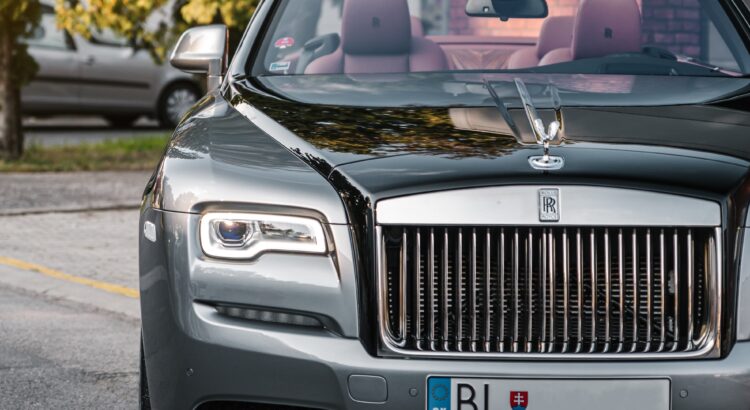
rolls royce - luxury vehicle theft

Be on your guard: protect your luxury vehicle from theft

In recent weeks an unfortunate trend in luxury vehicle theft claims has emerged specifically in some affluent areas of London.

We’ve been advised by our insurers Aviva to make our clients aware of the risk in this area and to be extra vigilant in taking the necessary precautions to protect your luxury vehicles.

To help mitigate the risk, they suggest taking the following actions. 

  1. Always lock your car securely when you leave it, even for a short time, and keep your keys with you. Using a steering wheel lock for extra (visible) security could make a would-be thief pass over your vehicle for another.
  2. Consider installing trackers and immobilisers. Products such as the Tracker S5 Plus, Ghost II, Scorpion X and NoGo are Thatcham-approved and highly recommended as they offer an extra layer of protection from key cloning and hacking.
  3. Make sure the subscription for your vehicle tracking device is maintained – a subscription thatʼs overdue could affect your motor insurance policy.

In addition to using steering wheel locks and installing trackers and immobilisers, there are a few other measures you can take to further enhance the security of your vehicle. One simple yet effective step is to always park your car in well-lit areas or secure parking lots, as this can deter potential thieves. It’s also a good idea to keep your car keys in a safe place at home, away from windows and doors, to prevent them from being easily accessible to burglars.

Another important aspect of vehicle security is being cautious about who you lend your car to. While it may be tempting to lend your car to a friend or family member, it’s crucial to ensure that they are responsible and trustworthy drivers. By being selective about who you allow to drive your car, you can minimize the risk of it being stolen or damaged.

Regular maintenance and servicing of your vehicle can also contribute to its security. By keeping your car in good condition, you reduce the likelihood of breakdowns or malfunctions that could make it an easy target for thieves. Additionally, maintaining up-to-date records of your vehicle’s maintenance and repairs can be helpful in the event of an insurance claim.

Lastly, it’s important to stay informed about the latest security threats and techniques used by car thieves. Keeping up with news and updates from reputable sources can help you stay one step ahead and take necessary precautions to protect your vehicle. By staying proactive and implementing these security measures, you can greatly reduce the risk of your cherished car being stolen or compromised.

Of course it’s vital that you have adequate vehicle insurance to protect your cherished car. When you arrange your motor insurance with us, we will ensure to get full details of your car so that the cover is sufficiently high value.

If you have any concerns about your current level of insurance, or are considering investing in a new or vintage luxury vehicle, call us on 01726 871144 and select option 1 to be taken straight to the personal insurance department.

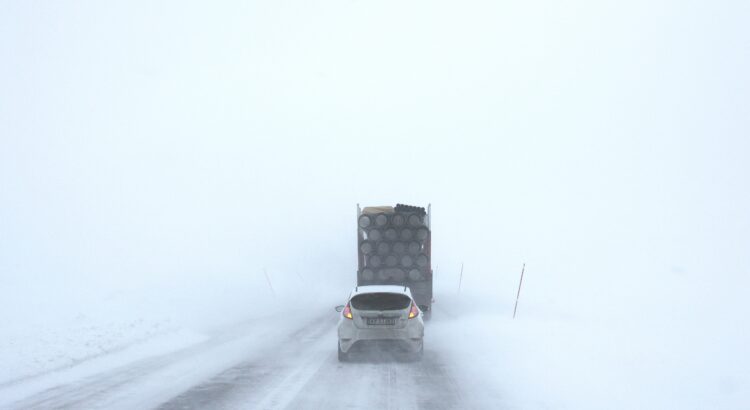
a car driving behind a lorry in snowy weather

Preparing Your Vehicles For Winter

Unexpected snowfall and treacherously icy roads can cause chaos for drivers and fleet managers. Here are some simple steps to help prepare for a season of trouble-free driving.

Servicing and maintenance

There’s no better time for a service than in the run up to winter. Maintenance throughout the season is also important, even once a service has been conducted. This should include:

  • Routinely checking the concentration of antifreeze in the coolant system, and bringing it back to the correct winter level
  • Replacing the car battery at the first sign of trouble
  • Replacing any faulty light bulbs immediately
  • Keep at least a quarter of a tank of fuel in case of unexpected delay
  • For fleets, your customers should train and ensure drivers know how to deal with adverse conditions

Tyres

Regular visual checks will highlight any prominent defects to tyres. Any damage to the tyre walls such as cuts, cracks or bulges should be dealt with immediately as they could lead to slow punctures or blow-outs at high speeds.

In winter, drivers should ideally have a minimum tread depth of 3mm, as this helps the car to remove additional surface water on the road. Anything less than 2mm remaining on a tyre should be replaced immediately.

Consider installing winter/all season tyres; they are specifically designed to provide increased grip in winter conditions. In extreme weather, snow chains are also worth considering. Any tyre enhancements must be fitted to the manufacturer’s standards.

Do not under-inflate tyres; it is a myth that a softer tyre means better grip.

Prepare for the worst

You can rest in the knowledge that you’re prepared for the worst by stocking your vehicle(s) with the following items:

  • Ice scraper / de-icer spray
  • Powerful torch with spare batteries
  • Reflective triangle
  • First aid kit
  • Warm clothing, shoes and blankets
  • Insurance and broker documents, including any contact information for emergency claim hotlines
  • Bottled water and non-perishable foods
  • Jump leads
  • Snow shovel
  • Tow rope
  • Complete set of replacement light bulbs
  • Always carry a mobile phone and spare batteries

Preparing and driving the car

Allow at least 10 minutes more in the morning to prepare your car.

Clear all windows of snow and ice, and clear the roof of snow.

Give extra time for your journey and stick to main roads where possible.

Always let someone know where you are going, and when you expect to arrive.

For fleet managers, vehicle tracking tools are available.

Gentle manoeuvres are the key, particularly when braking.

Always try to pull away in second gear, and select a higher gear such as third or fourth for travelling downhill.

In the event of skidding, depress the clutch, steer into the skid and avoid the temptation to brake forcefully.

Black ice can appear to be just a wet patch, so be wary.

Always put your safety before punctuality in winter conditions.

Listen to local traffic reports and heed advice from your local authority or police concerning driving safety.

Want to find out how we can help insure your vehicles, whether it be commercial motor, car, agricultural vehicles or fleets, all one on policy? Get in touch with Rowett Insurance on 01726 871144 today. 

Or head here for more information on vehicle insurance.

 *This article originally appeared on Allianz.