planning ahead for business insurance

What do business owners need to know about renewing insurance in 2023?

As a business owner, ensuring adequate insurance coverage is crucial for protecting your company’s assets and mitigating potential risks. With each passing year, the insurance landscape evolves, and it becomes essential to review and renew your insurance policies to align with the changing business environment. In this blog, we will discuss the key considerations business owners should keep in mind when renewing their insurance in 2023, enabling them to make informed decisions and safeguard their operations.

Evaluate Changes in Business Operations:

Before renewing your insurance, carefully assess any significant changes in your business operations. Have you introduced new products or services? Expanded your premises or workforce? Entered new markets or adopted innovative technologies? Understanding these changes will help you determine if your existing insurance coverage adequately protects against the specific risks associated with your evolving business activities.

Conduct a Comprehensive Risk Assessment:

Conducting a thorough risk assessment is crucial in determining the appropriate insurance coverage for your business. Identify and evaluate potential risks, such as property damage, liability claims, cybersecurity threats, supply chain disruptions, and natural disasters. By understanding your risk exposure, you can ensure that your insurance policies provide sufficient coverage and offer protection tailored to your unique business needs.

Review Existing Insurance Policies

Take the time to review your current insurance policies in detail. Understand the scope of coverage, exclusions, deductibles, and policy limits. Assess whether your existing policies adequately cover your business’s risks and if any adjustments are necessary. Consider consulting with an insurance professional who can provide expert guidance and help you navigate complex policy terms and conditions.

Seek Competitive Quotes

Don’t settle for the status quo when renewing your insurance. The insurance market is dynamic, and new offerings may better suit your business requirements or provide more competitive premiums. Engaging a good insurance broker can streamline this process, as we have access to a wide range of insurers and can negotiate on your behalf to secure the best possible coverage at favourable rates.

Understand Emerging Risks and Coverage Gaps

Stay informed about emerging risks and potential coverage gaps that may impact your business in 2023. Technological advancements, data privacy regulations, environmental concerns, and evolving legal landscapes can introduce new risks that require specialised insurance coverage. Keep abreast of industry trends and consult with your insurance provider or broker to ensure that your policies address these emerging risks adequately.

Consider Bundling Insurance Policies

Bundling your insurance policies with a single provider can offer several advantages. It simplifies the administrative process, provides potential cost savings through package discounts, and ensures seamless coverage across different areas of your business. Discuss with your insurance provider if bundling options are available and evaluate the benefits and potential drawbacks based on your specific business needs.

Review Business Interruption Coverage

The COVID-19 pandemic highlighted the importance of business interruption insurance. Assess whether your existing policy adequately covers potential income loss due to unforeseen events such as natural disasters, supply chain disruptions, or civil unrest. Understand the policy terms, waiting periods, and coverage limits associated with business interruption insurance to ensure you are adequately protected against such risks.

Regularly Update Your Insurance

Insurance needs should not be a one-time consideration. As your business evolves, regularly review and update your insurance coverage to reflect new risks and changes in operations. Set a reminder to reassess your insurance needs annually or whenever significant changes occur within your business. Staying proactive and responsive to evolving circumstances will help you maintain comprehensive and up-to-date insurance protection.

How Rowett Insurance can help

Renewing insurance for your business in 2023 requires careful evaluation, proactive risk assessment, and thorough policy review. Get in touch with Rowett Insurance Broking Limited on 01726 871144 to help you get this right.

rolls royce - luxury vehicle theft

Be on your guard: protect your luxury vehicle from theft

In recent weeks an unfortunate trend in luxury vehicle theft claims has emerged specifically in some affluent areas of London.

We’ve been advised by our insurers Aviva to make our clients aware of the risk in this area and to be extra vigilant in taking the necessary precautions to protect your luxury vehicles.

To help mitigate the risk, they suggest taking the following actions. 

  1. Always lock your car securely when you leave it, even for a short time, and keep your keys with you. Using a steering wheel lock for extra (visible) security could make a would-be thief pass over your vehicle for another.
  2. Consider installing trackers and immobilisers. Products such as the Tracker S5 Plus, Ghost II, Scorpion X and NoGo are Thatcham-approved and highly recommended as they offer an extra layer of protection from key cloning and hacking.
  3. Make sure the subscription for your vehicle tracking device is maintained – a subscription thatʼs overdue could affect your motor insurance policy.

In addition to using steering wheel locks and installing trackers and immobilisers, there are a few other measures you can take to further enhance the security of your vehicle. One simple yet effective step is to always park your car in well-lit areas or secure parking lots, as this can deter potential thieves. It’s also a good idea to keep your car keys in a safe place at home, away from windows and doors, to prevent them from being easily accessible to burglars.

Another important aspect of vehicle security is being cautious about who you lend your car to. While it may be tempting to lend your car to a friend or family member, it’s crucial to ensure that they are responsible and trustworthy drivers. By being selective about who you allow to drive your car, you can minimize the risk of it being stolen or damaged.

Regular maintenance and servicing of your vehicle can also contribute to its security. By keeping your car in good condition, you reduce the likelihood of breakdowns or malfunctions that could make it an easy target for thieves. Additionally, maintaining up-to-date records of your vehicle’s maintenance and repairs can be helpful in the event of an insurance claim.

Lastly, it’s important to stay informed about the latest security threats and techniques used by car thieves. Keeping up with news and updates from reputable sources can help you stay one step ahead and take necessary precautions to protect your vehicle. By staying proactive and implementing these security measures, you can greatly reduce the risk of your cherished car being stolen or compromised.

Of course it’s vital that you have adequate vehicle insurance to protect your cherished car. When you arrange your motor insurance with us, we will ensure to get full details of your car so that the cover is sufficiently high value.

If you have any concerns about your current level of insurance, or are considering investing in a new or vintage luxury vehicle, call us on 01726 871144 and select option 1 to be taken straight to the personal insurance department.

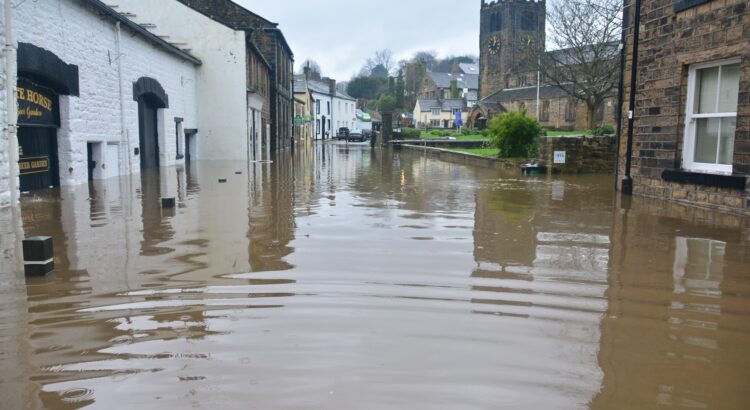
flooding in a town - flood insurance

Business continuity advice: preparing for summer storms

While weather forecasting has improved significantly throughout the years, there is still little warning of when and where localised flash flooding may take place.

Recent heatwaves (and more extreme conditions) have intensified flooding throughout Europe and the UK. While climate change may be largely to blame, overtaxed drainage systems and inadequate risk management strategies have led to catastrophic damage for both residential and commercial properties.

Risk management is an essential part of any effective business. What steps can you take to enhance your preparedness and account for possible insurance risks?

Flash flooding in Europe

Even climate scientists are shocked by the scale of recent summer floods in Germany. In an area that usually sees 80 litres of rainfall in the entire month of July, 148 litres per square metre fell in just 48 hours in parts of Rhineland-Palatinate and North Rhine- Westphalia. Switzerland documented their heaviest rainfall on record, after a Zurich thunderstorm saw 4cm falling overnight. This led to flash flooding, logistical issues and travel chaos in the city and its surrounds.

UK flash floods

Closer to home, west London was hit by severe flooding in early July 2021. Water rushed towards the platforms at Sloane Square station, barriers were erected in Chalk Farm and Hampstead, Euston station was closed, and in Primrose Hill people were seen swimming in ponds created by thunderstorms.

While climate change is largely to blame, overtaxed drainage systems exacerbate the problem. Thus was the case for the Gough family who saw their new home submerged after unexpected flash flooding in Dorset. They believe that the damage was caused by inadequate drainage maintenance.

These systems not only reduce peak water levels, but give communities affected by flooding, more time to prepare for the worst. While the consequences for residential properties can be personally tragic, the outcomes for commercial properties can be catastrophic, for both you and your employees.

In addition to physical flood damage to the premises itself, losses can also incur from business interruption and damage to stock, equipment, fixtures and fittings and general contamination. The effects on business continuity cannot be understated, a flood can be devastating.

Flood preparation

According to Insurance company QBE, “planning in advance and taking a few sensible precautions could save disruption and money, should the worst occur”. As part of your overall business continuity plan, some of the measures that they suggest include:

·         Not storing stock directly on the floor. Even raising it by 100mm can make a big difference

·         If you can, avoid storing stock/objects directly under valley gutters. If not, then try and store lower value, less vulnerable goods in these areas

·         Check that normal surface water drains and other flow routes are unobstructed

·         Electrical, electronic, and other sensitive equipment may be directly under potential water entry points. In the short term, think how you can protect it; in the longer term, ask yourself if this is the correct location for it.

Consider cellars, basements, trenches, pits, loading docks and other low-lying areas. After an extended dry period, water run off paths may be significantly different from the usual routes. If you have had any incidence of water ingress before, then be prepared with sandbags, flood barriers or similar solutions.

Protect yourself with flood insurance

While many flooding incidents cannot be prevented, proper preparation, risk management strategies and adequate insurance can help to mitigate the physical and financial fallout, including loss of income. All business owners need to take account of these risks as part of the effective operation of your business.

At Rowett Insurance, we can help you to find the right level of cover for you, call our team on 01726 871144.

a caravan park on the coast on a sunny day

Everything you need to know about insurance for caravan parks and campsites

Caravan park insurance is a must-have for any caravan park owner or operator. This type of insurance provides coverage for property damage and liability, as well as other perils. It is important for caravan park owners to understand different insurance policies and how they may best protect their business. This includes tailored insurance for campsite owners too and insurance for residential park home sites.

What is caravan park insurance?

Why is caravan park insurance important?

  • It can provide financial protection against losses due to accidents, theft, and other unexpected events.
  • It can also help protect the investments made in the caravan park and its contents.
  • It can help to ensure that the caravan park is compliant with relevant regulations and laws.

Types of Caravan Park Insurance

Property Damage Insurance

Property damage insurance can cover losses due to fire, storm, flooding, and other natural disasters. It can also cover damage caused by vandalism and theft and against damage caused by guests or visitors.

Business Interruption Insurance

Business interruption insurance can provide coverage for lost income due to unexpected events such as natural disasters or power outages. It can provide coverage for additional expenses associated with getting the caravan park or campsite up and running again after an unexpected event and cover you for the replacement of lost or damaged inventory.

Employers Liability

Employers liability insurance is a legal requirement for any business that employs staff. It provides protection against claims made by employees for injury or illness caused by their work and covers the costs of legal fees and any compensation that may be awarded to the employee.

Public Liability

Public liability insurance provides protection against claims made by members of the public for injury or damage caused by the caravan park or campsite. It covers the costs of legal fees and any compensation that may be awarded to the claimant.

It’s important to have adequate public liability insurance in place to protect your business from potential losses and to compensate people who stay on your site should they be injured.

Fixtures and Fittings Insurance

Fixtures and fittings insurance provides coverage for any permanent fixtures and fittings that are part of the caravan park or campsite. This includes items such as furniture, electrical equipment, and other items that are not covered by buildings insurance.

What do policies generally cover?

Standard policies can include:

  • Cover for the buildings and structures and fixtures, fittings and contents within them.
  • Up to £250,000 of unspecified sales stock.
  • Material Damage cover for the park machines.
  • Public and Products Liability.
  • Employers Liability.
  • Goods in Transit up to £50,000.
  • Business Interruption as a result of specified disease, denial of access, loss of attraction, failure of supplier, loss of licence or loss of fish stocks.
  • Business Interruption as a result of property damage.

But additional covers can be added such as:

  • Key person or nominated person.
  • Personal accident including sickness cover.
  • Contents away from the park.
  • Loss of money.
  • Computer all risks.
  • Cover for the park owners’ private houses on the park.

What types of businesses can be covered?

All types of caravan parks and campsites can be covered including residential sites for static caravans and park homes. In summary, the following types of businesses are suitable for this kind of insurance:

  • Residential park homes: for static caravans which are owned and/or let.
  • Campsites: where touring tents and/or caravans come and go frequently.
  • Caravan parks: where a mix of static caravans, lodges, park homes, trailer tents and touring caravans come and go often.
  • Glamping sites: where structures are semi-fixed but guests are usually short-stay.

Conclusion

It’s essential to have the right caravan park or campsite insurance in place to protect the business from potential losses. And, as for any business, you should understand the different types of insurance available and the coverage they provide.

It’s also important to research different policies to find the one that best suits the specific needs of the caravan park, park home site or campsite. As this can be a bit of a minefield and maybe a lengthy task, going to a specialist broker will make your life much easier and can even save you money.

If you would like to discuss cover for your caravan park or campsite, please get in touch with us on 01726 871144.

a business woman with a mobile phone in an office

Learn more about business insurance add-ons

When it comes to protecting your business, having insurance is essential. However, many business owners are not aware of the full range of add-ons available to them when it comes to business insurance in the UK. In this blog, we will explore some of the lesser-known add-ons for business insurance in the UK.

Cyber Insurance

In today’s digital age, cyber-attacks have become increasingly common. Cyber insurance provides coverage for losses resulting from cyber-attacks, such as data breaches, cyber extortion, and business interruption due to cyber incidents. This type of insurance can also provide assistance with managing the fallout of a cyber-attack, including the cost of public relations and legal advice.

Directors and Officers Liability Insurance

Directors and officers liability insurance protects the personal assets of company directors and officers in the event of legal action being taken against them. This type of insurance provides coverage for legal expenses, settlements, and judgments resulting from alleged wrongful acts, such as breach of fiduciary duty, negligence, and financial mismanagement.

Professional Indemnity Insurance

Professional indemnity insurance is a type of insurance that protects businesses that provide professional services, such as architects, accountants, and consultants, against claims of negligence, errors, or omissions made in the course of their work. Professional indemnity insurance covers the cost of legal defence and any damages awarded to the claimant.

Business Interruption Insurance

Business interruption insurance provides coverage for losses resulting from events that cause a business to close temporarily, such as a fire, flood, or other natural disaster. Business Interruption insurance covers the costs of lost revenue, ongoing expenses, and the cost of getting the business back up and running.

Terrorism Insurance

Terrorism insurance provides coverage for losses resulting from acts of terrorism. This type of insurance is particularly relevant for businesses that operate in high-risk areas or industries, such as transportation or finance.

Having the right insurance in place can protect your business from a wide range of risks. It’s important to work with a reputable insurance broker to ensure you have the right level of coverage for your business’s needs. By exploring the lesser-known add-ons for business insurance in the UK, you can ensure that you have comprehensive coverage to protect your business in the event of unforeseen circumstances. Want to know more about how you can boost your business insurance? Get in touch with us on 01726 871144.

a padlock on a computer keyboard

The importance of cyber insurance for small businesses

In today’s digital age, small businesses face numerous risks related to cyber threats. With the world becoming increasingly dependent on technology, cybersecurity has become a necessity for small business owners. Cyber insurance is an essential tool that can help mitigate these risks and protect businesses from potential financial losses.

43 percent of all cyberattacks target SMEs

Small businesses are increasingly becoming targets of cyber attacks. A study by Verizon shows that 43 percent of all cyberattacks target small businesses. These attacks can have significant financial implications for small businesses, and in some cases, lead to bankruptcy. Cyber insurance provides financial protection to businesses against these types of attacks.

Protecting your data

One of the most significant risks that small businesses face is data breaches. A data breach can occur when a business’s sensitive information is accessed by unauthorized individuals. This can lead to identity theft, financial loss, and damage to the business’s reputation. Cyber insurance can help cover the costs associated with a data breach, including legal fees, notification costs, and the cost of providing credit monitoring for affected individuals.

Increasing risk of ransomware attacks

Ransomware attacks are also becoming increasingly common among small businesses. Ransomware is a type of malware that encrypts a business’s files and demands payment in exchange for the decryption key. Cyber insurance can help businesses recover from a ransomware attack by covering the cost of data recovery and ransom payments.

Disrupting your day-to-day

Small businesses are also at risk of business interruption due to cyber attacks. For example, if a business’s website is taken down by a DDoS attack, they may lose revenue from online sales. Cyber insurance can help cover the costs associated with business interruption, including lost income and extra expenses incurred to get the business back up and running.

Additional layer of protection for businesses 

It’s important to note that cyber insurance is not a substitute for cybersecurity measures. Small businesses should still take steps to protect themselves from cyber threats, such as implementing strong passwords, encrypting sensitive data, and training employees on cybersecurity best practices. However, cyber insurance can provide an additional layer of protection for businesses that may not have the resources to implement robust cybersecurity measures.

In conclusion, cyber insurance is essential for small businesses to protect themselves from the financial losses associated with cyber attacks. With the increasing frequency and severity of cyber threats, cyber insurance has become a necessary investment for small business owners. By investing in cyber insurance, small businesses can safeguard their finances and continue to operate even in the face of cyber attacks. Want to know more? Get in touch with us on 01726 871144 option 3. Or head to our dedicated page on cyber insurance for more information.

pennies spilling from a jar

What claims inflation means for you in 2023

Costs for materials and energy continue to climb in 2023, caused by a number of situations including the continued fallout from the Covid Pandemic, Brexit and the war in Ukraine. The impact of inflation has become widely apparent across insurance products – particularly for lines such as property, motor, business and construction. But what does this mean for insurance customers?

What is claims inflation?

Claims inflation is the increase in the amount it would cost to settle an insurance claim. This is due to rising costs in labour, materials and energy – so a rebuilding project in 2023 will cost significantly more than it would have done a year ago.

Why are my insurance premiums increasing?

Simply, because the cost and demand of raw materials parts and labour has increased significantly, to address this claims inflation, your insurer will increase your insurance premiums to cover the rise. Insurers calculate the increase in your insurance premium by using an index that they apply to the declared value of items, energy and labour costs. The result reflects the current, true cost of reinstatement, rather than how much it cost back when you first took out your policy.

What should I do about my insurance premiums?

At Rowett Insurance Broking Limited, we will work closely with you to determine the best policy that suits your needs, but there are steps you can take yourself to keep your insurance premiums as low as possible, show insurers you are a good risk and mitigate any potential loss:

For property insurance customers: Carry out all essential maintenance and conduct regular checks on your roof and gutters. Record any activities where you are keeping guttering clear of debris, mending and renewing areas of concern

For business insurance customers: Devise a business interruption/recovery plan before you experience an incident to help to keep future costs in check. Make sure your indemnity periods are adequate as mentioned below

For motor insurance customers: Install a dashcam in your car to record any incidents or accidents. This could help to speed up the claims process and helps the insurer to confirm that you are not committing insurance fraud, which is one of the causes behind higher insurance premiums.

If you are a business insurance customer, whilst reviewing your business interruption/recovery plan, it is advisable to check the indemnity period for business interruption cover to account for supply chain issues and delays – Brexit, Covid-19 and the war in Ukraine have resulted in workplace shortages and supply chain delays, which means that repair work could take significantly longer than it would have in previous years. The British Insurance Brokers’ Association also recommends calculating your gross profit carefully to avoid underinsuring, as well as taking into account your business’s predicted growth. We can help you with this.

For most contents insurance customers, your items will be insured on the amount it would cost to replace them as new – insurers will take inflation into account when you make a claim, so make sure you declare the items’ values accurately when purchasing your policy. For harder-to-value items and rebuild costs, it is advisable to use a specialist property surveyor to determine the value, ensuring they are Royal Institution of Chartered Surveyors (RICS) certified.

Generally, as an insurance customer, the more detail and data you can provide about the incident, and the sooner you can provide it, the sooner the insurer can intervene and the claim can be settled—and the greater the potential to minimise costs.

Want to know more about how we can help? Get in touch on 01726 871144 today.

women in pink for charity event

Taking Your Fundraising Strategy to New Levels: Advice for Charitable Organisations

Fundraising has come a long way since door-to-door leafleting and school fetes. Currently, crowdfunding has the potential to raise thousands of pounds for a cause over a matter of days proving technology gives you huge potential to enhance your fundraising strategy. No matter the size of your charity, you could save time and raise more money with the right software in place.

Customer Relationship Management (CRM) Software

CRM software provides charities with a comprehensive platform allowing them to collate member profiles, create and track campaigns and conduct simple campaign promotion. It essentially enables a vast amount of functionality, encompassed into a single platform. This software can be configured to your use, so if you’re a smaller charity wanting a limited platform or a global charity with complex requirements, it can be tailored to fit your needs.

Diversifying fundraising platforms

Technology enables you to branch out when it comes to how, when and where you fundraise. Kiosks in town centres enable people to swipe their card to gift your charity if they’re passing and may encourage them to sign up for a regular donation. Online and mobile giving, such as donation forms on your website, text-to-give, and mobile bidding apps enable people to donate to your cause at any time of day.

Crowdfunding pages also have a part to play in charity fundraising, making it easier than ever for your supporters to raise funds for your charity and, in turn, raises awareness of your charity.

Marketing, engagement and maximising reach

Social media enables charities to build online communities and supports unlimited global reach. There are tools available for you to schedule posts and emails in advance, at the optimum times so they have the most impact.  You can also use list segmentation features to filter through your supporters in order to avoid bombarding them with information, potentially warranting an ‘unsubscribe’, and instead send out relevant communication at appropriate intervals.

There’s a plethora of other tools, software, apps and devices out there so your charity can keep on top of its fundraising game. It’s important to remain relevant and appeal to millennials as a charity in order to ensure you can stand the test of time and carry on the great work that you do.

To speak to Rowett Insurance about the Charity and Not for Profit Insurance we can provide, speak to the team today on 01726 871144 option 3.

a person hacking a computer network

How To Spot A Cyber Attack

Think that you could spot a cyberattack a mile away? 

Find out more about social engineering in Cyber Attacks

Gone are the days when the term phishing was associated with a leisurely Sunday afternoon activity and trees were the only victims of hacking. As we continue to make dramatic advancements in the digital and tech space, the threat of cybercriminals has grown significantly, and the methods used aren’t just limited to viruses and ransomware.

What is social engineering and how it is used in cyber-attacks?

When cybercriminals use social engineering tactics, they aim to psychologically manipulate their victims for their own gain. This often includes handing over sensitive information or transferring large amounts of money to an unknown account. These attacks can occur at any time, through text, email, phone calls and social media chat facilities.

What does a social engineering attack look like?

Social engineering attacks often appear to come from a trusted source such as a friend, relative or colleague. Or you may find they approach you as your banking, utility or broadband provider. The purpose of this impersonation is to gain your trust. 

Phishing

Most phishing attacks aim to obtain personal information from the victim. These are often opportunistic and use fear tactics based on what’s happening in the world at the time, such as the COVID-19 pandemic.  No two types of phishing attacks look the same so it’s important to remain constantly aware of this threat when working online.

Baiting

Very similar to phishing attacks, baiting uses the promise of free goods or services to encourage victims to hand over information. This tactic also takes advantage of our natural curiosity, asking us to click a link to uncover a mystery prize or access a piece of information.

Tailgating

Not all cyber-related attacks happen online. Tailgating attacks occur when a criminal attempts to access your office premises by tailgating an employee, playing on our instinct to be polite and hold the door open for the person behind us. Some criminals have even gone as far as to wear fake baby bumps to garner sympathy – because who would shut the door on a pregnant person?

Pretexting

Unlike phishing attacks which are usually conducted in mass, pretexting attacks try to build a believable scenario to establish trust before they try to obtain information. For example, you could receive an email from your CEO who states they’re about to enter an important meeting and need your password urgently to access a system. Or you may receive a call from your payroll team saying your payment didn’t go through this month and they need to check your account details. These types of attacks are designed to put pressure on the individual, so they act fast without careful consideration. 

How to recognise a social engineering attack

Cybercriminals are changing their methods all the time, so there’s no exact formula that makes up a social engineering attack – but there are red flags to look out for.

These include:

  • Requesting information or money access.
  • Evoking a sense of urgency in the email.
  • Short and concise.
  • Asking you to donate to a charitable cause.
  • Asking you to verify information.
  • Responding to a question you did not ask.
  • Using fear tactics – threats or intimidation.
  • Offering you something too good to be true.
  • How to protect yourself against a social engineering cyber attack.

When it comes to protecting yourself and your business against cybercrime, you need to remain vigilant and think before you click.

Training

Ensure that your staff are up to date with the latest cyber training, implementing measures to ensure it remains at the forefront of their minds. If you have a near miss, let people know about it.

Anti-virus software

While it doesn’t make you immune to a cyber-attack, it helps to create an extra barrier of defence with well-reputed anti-virus software. Look at setting your spam filters to high – although keep an eye on your junk mailbox to ensure nothing legitimate slips through the net!

Check the sender

Encourage your staff to always check the source if an email seems suspicious. As well as checking the email address itself, recipients can hover over links (don’t click them!) to see where they lead.

Simulate social engineering events  

It’s hard to know how you’re going to react to a social engineering attack until it happens. That’s why it’s a great idea to send test emails to your staff to see what they would do. Use this as a learning tool to educate them on what they should do if a real risk presents itself.

Monitor your digital footprint

Some of us tend to overshare on social media, giving hackers ammo to hack into our devices. But have you considered what you’re sharing outside of these platforms? For example, if your CV is online – are your address and phone number on this? Not to mention your old schools, interests… the list goes on. Think twice about what you share online. 

Get Cyber Insurance

Despite nearly 40% of all UK businesses reporting at least one cyber attack in the last 12 months, businesses are still not taking the threat of cyber attacks seriously enough. Now, the Government are urging businesses to take steps to improve their digital resilience. Cyber Insurance is designed to protect your business in the aftermath of an attack, including investigation, data recovery, loss of income, reputation management and more. To discuss how you can better protect your business with dedicated Cyber Insurance, give Rowett Insurance a call on 01726 871144 option 3.

More information: https://www.gov.uk/government/statistics/cyber-security-breaches-survey-2022/cyber-security-breaches-survey-2022